
India’s food and hospitality industry is booming. From Michelin-starred fine dining to cloud kitchens redefining how we eat, the demand for skilled culinary professionals has never been higher. If you’ve just finished your Class 12 and have a passion for food, choosing chef courses after 12th could be one of the smartest decisions of your life — opening doors to exciting careers both in India and across the globe.
This guide walks you through everything you need to know: what these courses involve, why Kolkata is emerging as a top destination for culinary education, and the wide range of career opportunities waiting for you on the other side.
What Are Chef Courses After 12th?
Chef courses after 12th are structured culinary programmes designed to transform school graduates into industry-ready cooking professionals. These courses cover everything from foundational cooking techniques to advanced kitchen operations, food science, and business management.
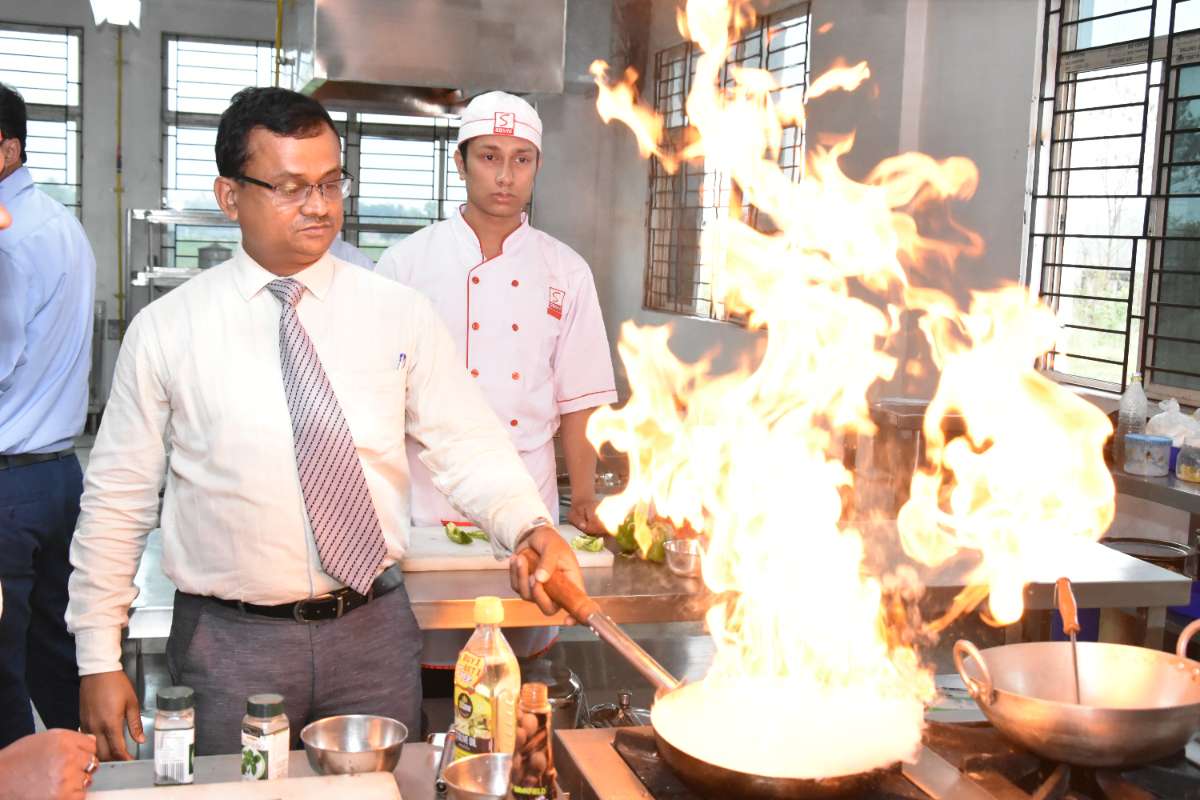
Unlike learning to cook at home, culinary education teaches you to work in high-pressure, professional environments — large hotel kitchens, restaurant brigades, airline catering units, and more. The training blends classroom theory with intensive hands-on practice, ensuring that by the time you graduate, you can hold your own in a professional kitchen anywhere in the world.
Skills You Learn in Chef Courses
A good culinary programme equips you with a diverse, marketable skill set:
-Cooking techniques and food preparation — from knife skills and stock-making to grilling, baking, and advanced plating
-Food presentation and aesthetics — how food looks is as important as how it tastes
-Kitchen operations and management — inventory, cost control, team coordination
– Food hygiene and safety standards — FSSAI regulations, HACCP protocols, and sanitation practices
– Teamwork and professional communication — because every kitchen runs on collaboration
Why Choose Culinary Courses in Kolkata?
Kolkata is one of India’s most food-obsessed cities. With a culinary heritage that stretches from Mughal-era biryanis to iconic street food and contemporary Bengali fusion cuisine, the city offers a uniquely rich environment for aspiring chefs.
But beyond its cultural richness, Kolkata has quietly become a serious hub for hospitality education. The city hosts a growing number of quality culinary courses in Kolkata designed specifically for students after 12th, offering both affordability and academic rigour that students from smaller towns and metros alike find attractive.
Studying here means regular exposure to bustling hotel kitchens, heritage restaurants, and an increasingly diverse dining scene — all of which become real-world classrooms before you even graduate.
Benefits of Joining a Culinary School in Kolkata
Choosing the right culinary school Kolkata can significantly shape your career trajectory. Here’s what the better institutions offer:
Modern kitchen laboratories with professional-grade equipment matching industry standards
Experienced faculty — practising chefs and hospitality veterans who bring real industry insight into the classroom
Internship tie-ups with leading hotel chains, restaurants, and catering companies
A structured curriculum that balances creative development with technical precision
Practical Learning vs Classroom Learning
There’s a reason professional kitchens can’t be fully replicated in a textbook. Hands-on training standing at a live stove, plating under time pressure, working alongside experienced chefs — builds a kind of instinct and confidence that no lecture can teach. The best culinary institutes in Kolkata prioritise this balance, ensuring students spend significant hours in working kitchen environments from the very first semester.
How to Select the Right Culinary Institute in Kolkata
Not all culinary programmes are created equal. Before you commit, consider these key factors:
Important Factors to Consider
Course curriculum — Does it cover both classical and contemporary techniques? Are there specialisation tracks in bakery, continental, or Indian cuisine?
Faculty credentials — Are the instructors working chefs or hospitality professionals with real industry experience?
Internship and placement support — Does the institute have active partnerships with hospitality brands?
Industry reputation — Look at alumni success stories, placement records, and industry tie-ups
Infrastructure — Visit the campus if possible; well-equipped kitchen labs signal genuine investment in student training
Chef Courses After 12th — Course Options Available
Students have several programme formats to choose from depending on their goals and timelines:
Popular Culinary Programmes
Diploma in Culinary Arts — typically 1–2 years, comprehensive coverage of professional cooking
Certificate Chef Training Programmes — shorter, focused, ideal for specific skill development
Advanced Bakery and Pastry Courses— specialised training for those drawn to confectionery and baking
Hotel Management with Culinary Specialisation — broader qualification combining hospitality operations with kitchen training
Short-term Professional Chef Certification Courses — fast-track programmes for students wanting quick industry entry
Why Hotel Management and Culinary Careers Go Together
Many students wonder whether to pursue pure culinary training or a full hotel management programme. The truth is, the two complement each other powerfully. A hotel management institute Kolkata doesn’t just teach you to cook — it trains you in hospitality operations, front office management, food and beverage service, and guest relations.
This broader foundation makes you significantly more employable and better prepared for leadership roles. Chefs who understand how a hotel operates as a business are far more likely to advance to executive positions.
Choosing Kolkata’s Top Hotel Management College
Reputation matters. A degree or diploma from a well-regarded institution carries weight with recruiters, especially in the premium hospitality segment. Research placement records, look at the brands where alumni are working, and pay attention to the institute’s industry partnerships before making your choice.
Career Opportunities After Completing Chef Courses After 12th
Here’s where the real excitement begins. The career options available to culinary graduates are broad, dynamic, and increasingly global.
Popular Job Roles
Commis Chef | Entry-level position in professional kitchens |
Sous Chef | Second-in-command, overseeing daily kitchen operations |
Executive Chef | Leads entire kitchen operations, menu planning, and team management |
Bakery and Pastry Chef | Specialises in breads, desserts, and confectionery |
Kitchen Supervisor | Manages kitchen workflow, hygiene, and junior staff |
Food Production Manager | Oversees large-scale food production operations |
Cruise Line Chef | Works aboard international cruise ships |
Airline Catering Chef | Prepares large-volume meals for airline passengers |
Restaurant Entrepreneur | Launches and manages independent food businesses |
Industries That Hire Culinary Professionals
Graduates from culinary and hotel management programmes are sought after across a surprisingly wide range of sectors:
– Five-star hotels and luxury resorts
– Fine dining and casual dining restaurants
– International cruise lines and commercial airlines
– Large-scale catering companies and event management firms
– Cloud kitchens and food-tech startups
– International hospitality chains with properties worldwide
Salary After Completing Chef Courses
Starting salaries for freshers from good culinary programmes typically range between ₹15,000 and ₹30,000 per month in India, depending on the institute, city, and employer. With two to three years of experience and a strong skill set, this can rise significantly — senior chefs and executive chefs at premium properties can earn ₹60,000 to over ₹1,50,000 per month.
Internationally, the figures are considerably higher. Chefs working on cruise lines or with global hotel chains often earn in foreign currency, with compensation packages that include accommodation and travel allowances.
Specialisation — particularly in bakery, pastry, or international cuisines — consistently commands premium salaries in both domestic and international markets.
Admission Process for Chef Courses After 12th
Most culinary programmes have straightforward eligibility requirements:
– Completion of Class 12 from any recognised board (stream usually doesn’t matter)
– Basic proficiency in English (for reading recipes and communicating in professional kitchens)
– Some institutes conduct aptitude or interview rounds to assess passion and fit
Documents typically required: mark sheets, school leaving certificate, identity proof, and passport-size photographs.
Apply early — seats in reputed institutes fill quickly, especially for programmes with strong placement records.
Start Your Culinary Career Today
The hospitality industry is one of the fastest-recovering sectors globally post-pandemic, and India’s food economy is projected to grow substantially over the next decade. This is not a moment to sit on the fence.
Joining a professional culinary institute in Kolkata gives you practical kitchen training, real industry exposure, structured internships with established hospitality brands, and placement support that connects you directly to employers. The combination of a food-rich city, affordable quality education, and a growing local hospitality sector makes Kolkata one of the best places in India to begin this journey.
Conclusion
Chef courses after 12th are far more than cooking lessons — they are gateways to creative, rewarding, and globally portable careers. Whether your ambition is to lead the kitchen of a luxury hotel, open your own restaurant, work aboard a cruise ship, or build a food brand, the right culinary education gives you the foundation to make it happen.
Kolkata, with its deep food culture and expanding hospitality education sector, offers students an excellent environment to train, grow, and launch their careers. Choose your institute thoughtfully, commit to your craft, and take that first step a world of culinary opportunity is waiting.